
The Holodomor was a genocide of the Ukrainian people that took place in 1932–1933.
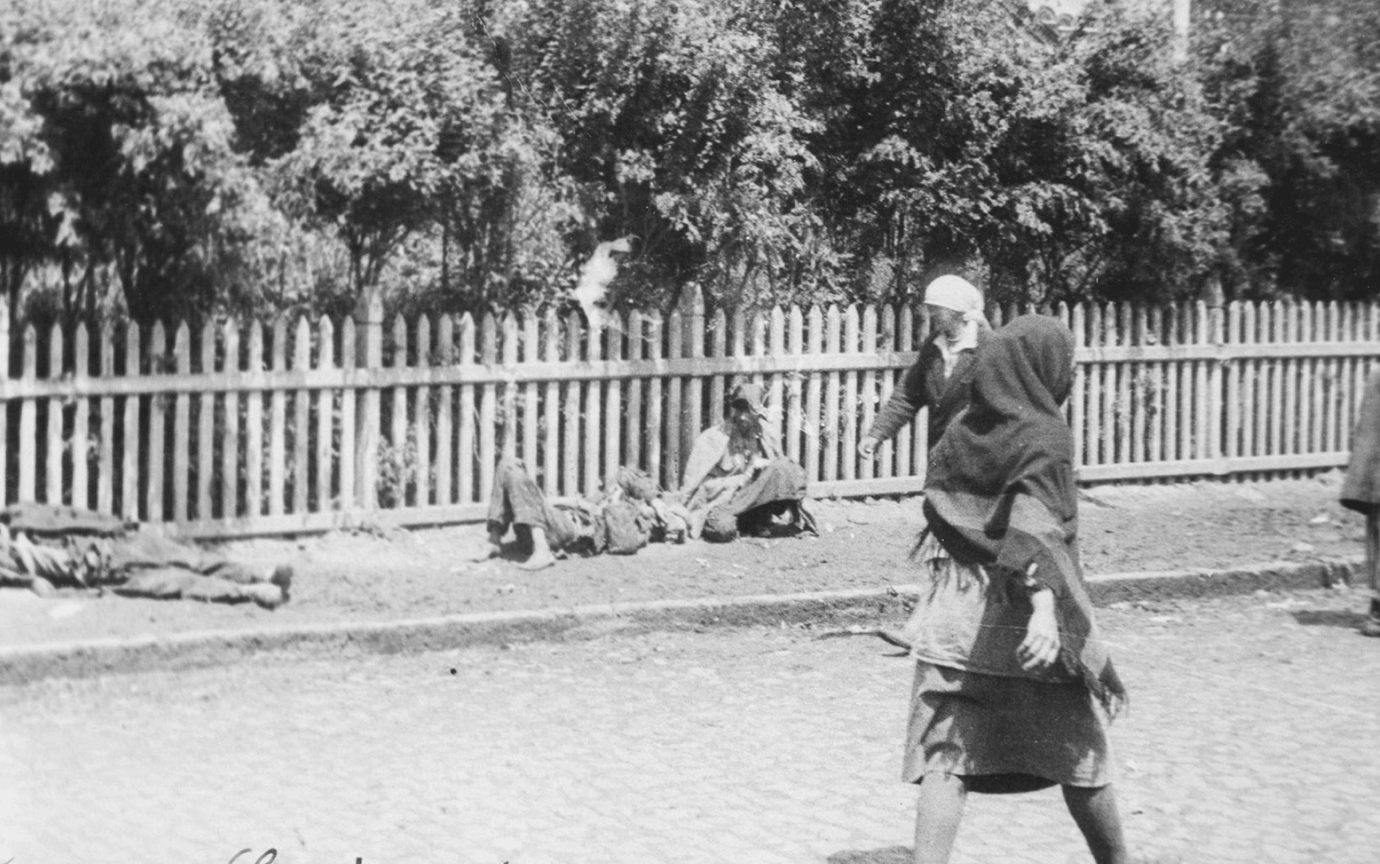
Фото зробив інж. А. Вінербергер. Фотодокументи надані проф. Василем Марочком (Інститут історії України НАН України). – ЦДКФФА України імені Г. С. Пшеничного. Од. зб. 5121.
It was organised by the Communist regime in Moscow with the aim of carrying out the mass extermination of Ukrainians, destroying their national identity and eliminating the foundations of the existence of a distinct Ukrainian nation. The ultimate aim of the Holodomor, as a deliberate policy of the Kremlin, was to permanently secure Ukraine as an integral part of the USSR and to transform (Russify) Ukrainians under the guise of forming a ‘single Soviet people’.
The authorities were aware that the preservation by Ukrainians of their own distinct identity and consciousness left open the possibility of restoring Ukrainian independence and Ukraine’s withdrawal from the Union. The Holodomor was intended to eliminate even the slightest possibility of events unfolding along these lines.
The legal definition of the term was laid down in the Law of Ukraine ‘On the 1932–1933 Holodomor in Ukraine’ of 28 November 2006.
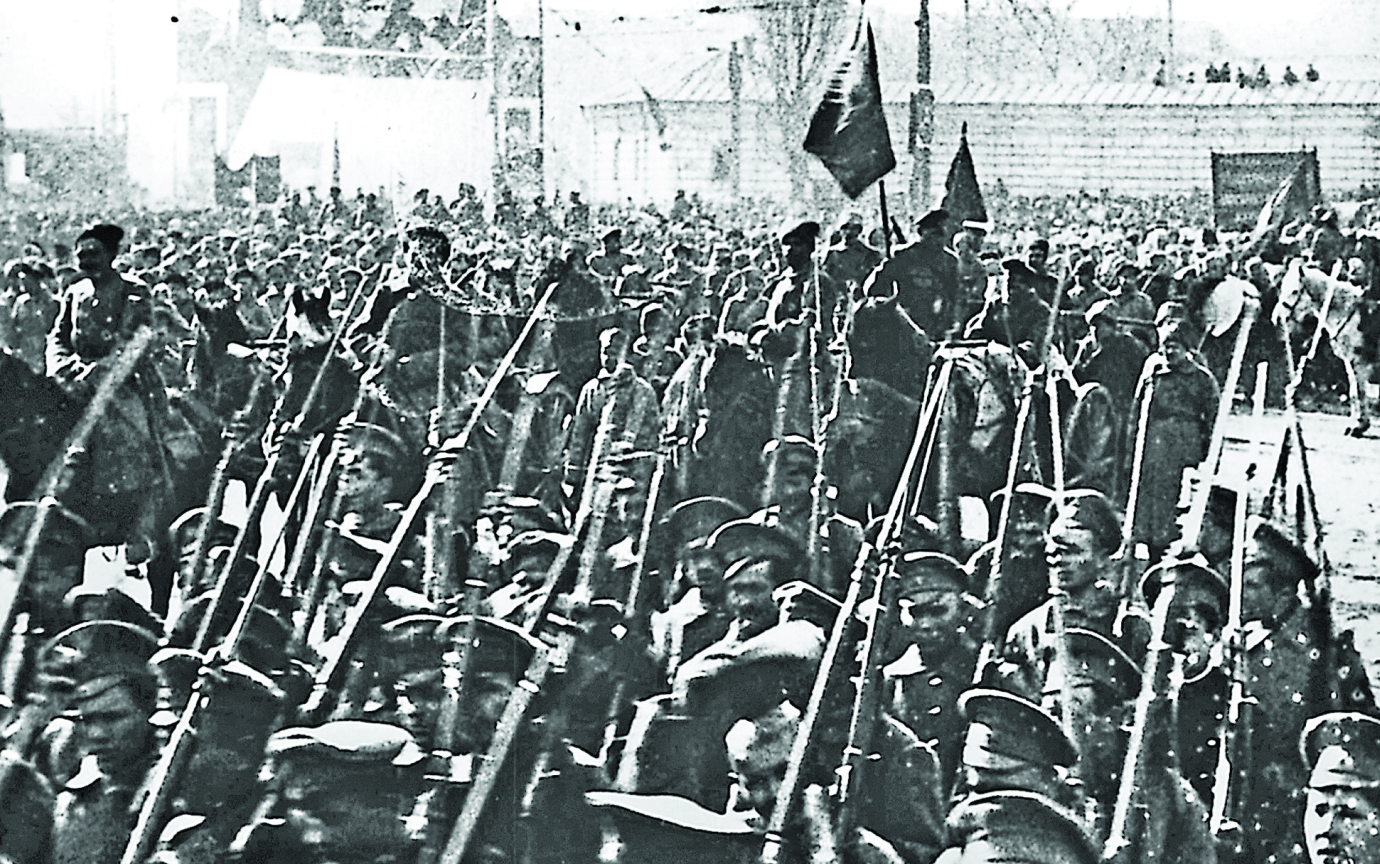
In December 1917, the Russian Communist regime launched a war of aggression against the Ukrainian People’s Republic (UPR), which had been established by Ukrainians following the fall of the Tsarist regime. To conceal their aggressive actions, the Bolsheviks established the Communist Party (Bolsheviks) of Ukraine (CP(b)U), and then, in its name, proclaimed the puppet Ukrainian Socialist Soviet Republic (USSR). This pseudo-state was a sham; its nominal leaders were appointed from Moscow.
The Ukrainian armed forces and partisan units continued to resist the occupiers until November 1921. However, the forces were unequal, and the Russian Communists succeeded in occupying most of Ukraine. In December 1922, the puppet Ukrainian Soviet Socialist Republic was incorporated into the USSR.
In order to win the trust of the population, the Bolsheviks launched a policy of ‘Ukrainisation’ in 1923. However, the rapid development of Ukrainian culture (literature, the press, theatre and cinema) proved to be an unexpected side effect of Ukrainisation for the Bolsheviks. Joseph Stalin realised that the situation had become dangerous, as Ukrainian quasi-statehood could take on real substance.
During the 1930s, nearly 30,000 figures from the fields of Ukrainian education, science and culture were sent to concentration camps
in northern Russia.
The spread of communist ideology was inextricably linked to aggressive atheist propaganda. Seeking to eliminate religion from all spheres of life, the Bolsheviks persecuted ‘representatives of religion’. By 1931, the Communists had closed 80 per cent of rural churches in Ukraine.
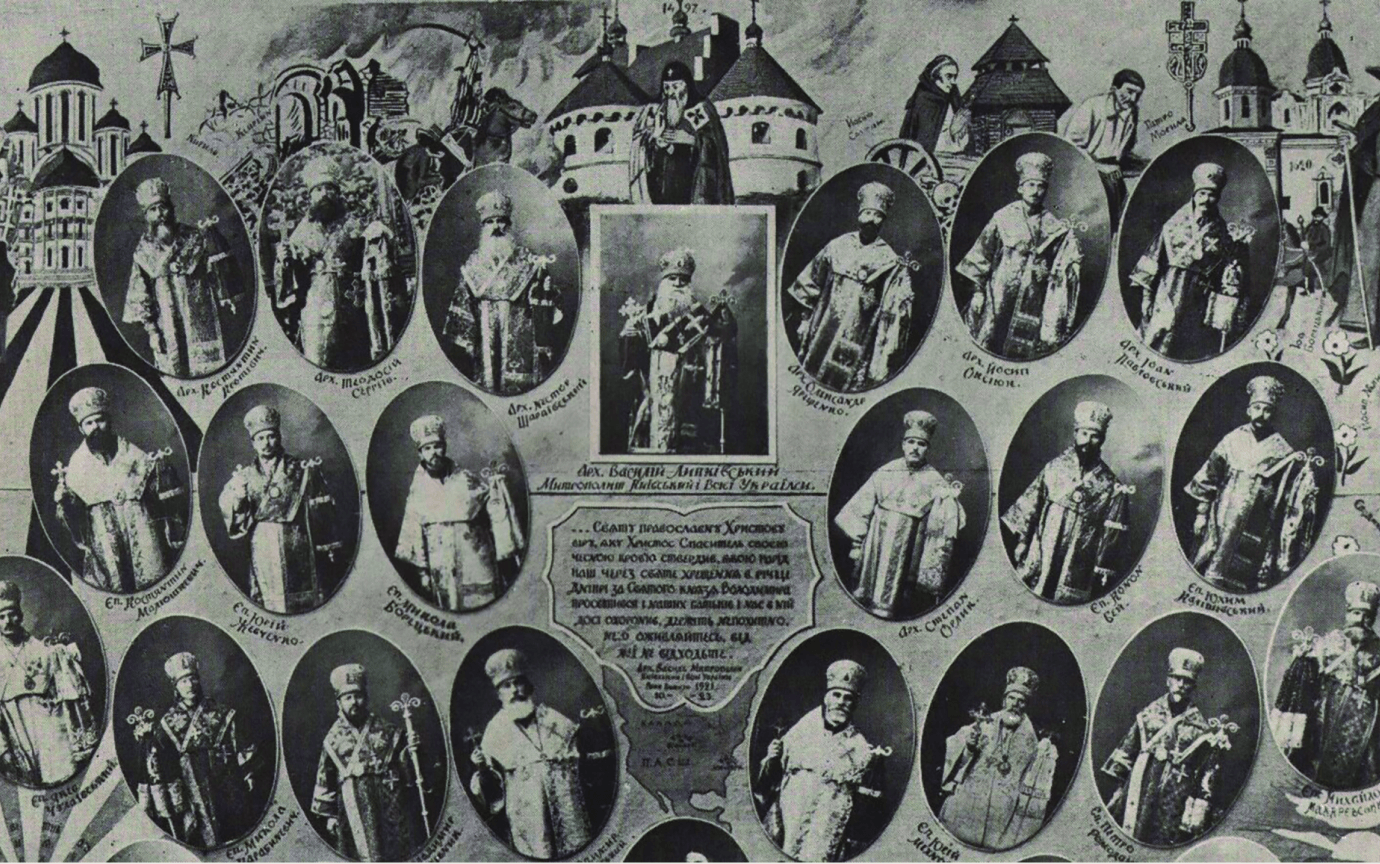
The Ukrainian Autocephalous Orthodox Church (UAOC), led by Metropolitan Vasyl (Lypkivsky), was destroyed.
In 1928, the Soviet leadership announced a policy of collectivisation — the merging of private peasant farms into state-owned collective farms. Each peasant was credited with a certain number of workdays for their labour on the collective farm, for which they were then paid in kind. However, the pay was so meagre that it left the peasant unable to feed themselves and their family.
Peasants were therefore forcibly driven into collective farms through a campaign of terror and propaganda against dissenters, whom the regime labelled ‘kulaks’, ‘bourgeois nationalists’ and ‘counter-revolutionaries’. The punishment for the so-called ‘kulaks’ – who were sometimes branded as such solely because of their political views – was eviction from their villages to barren lands or to the north of the USSR. Their property was confiscated and handed over to collective farms or the rural poor.
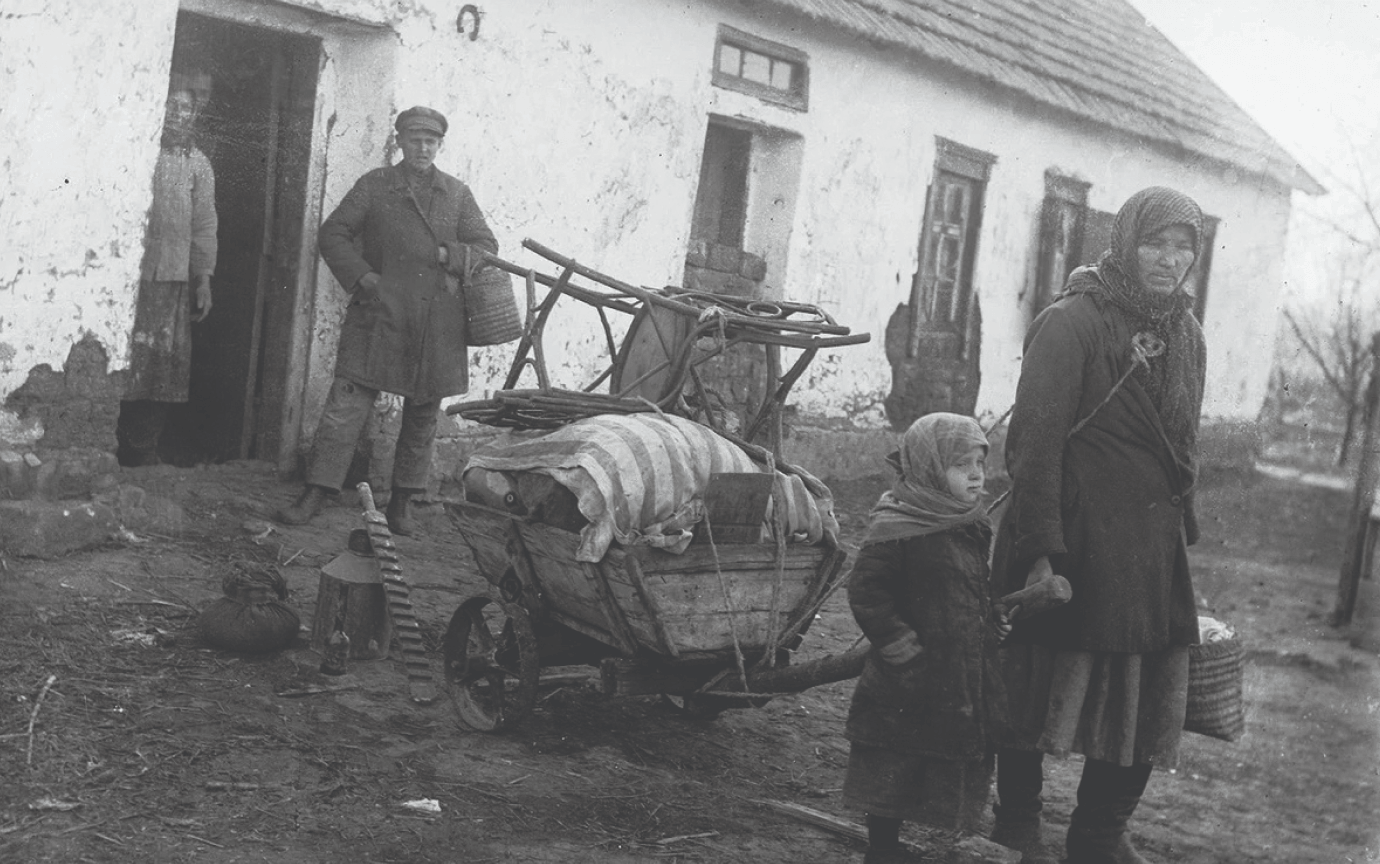
The policies of the communist totalitarian regime provoked resistance from the Ukrainian people.
Historians have recorded around 4,000 mass protests by peasants in the early 1930s against collectivisation, taxation policies, looting, terror and violence.
Realising the potential danger posed by a popular uprising, the Communist regime resorted to radical measures. Between 1932 and 1933, almost all the grain grown by Ukrainian peasants was confiscated.
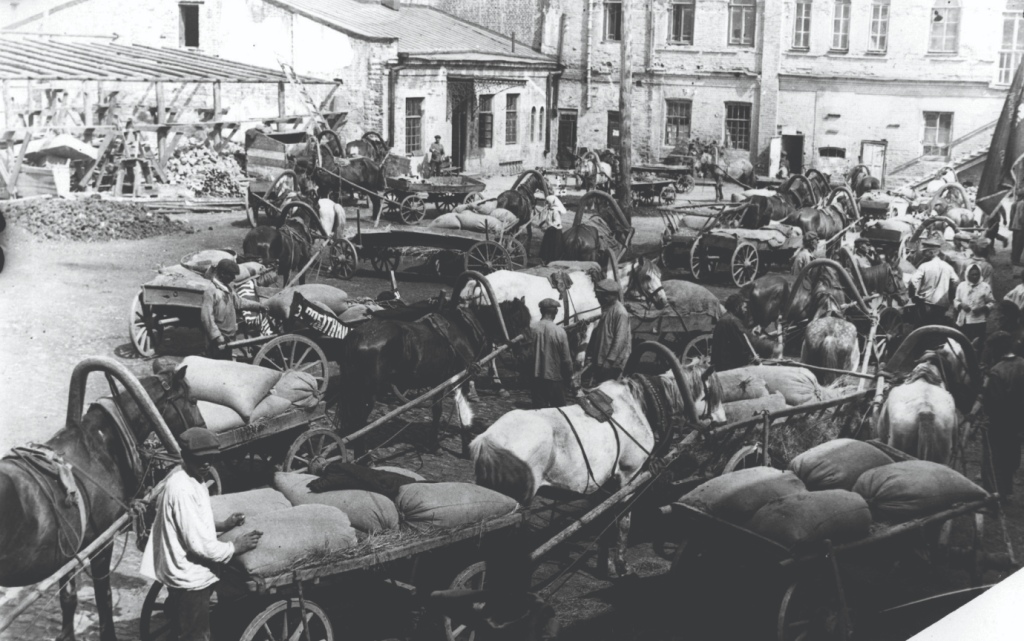
In some regions of Ukraine, farmers were deprived of 80 per cent of their harvested grain. The grain procurement quotas set for Ukraine were economically unfeasible, as were the fines for failing to meet them.
Starving people scoured the fields for ears of grain or other produce left behind after the harvest. However, on 7 August 1932, a government decree was issued, known as the ‘law of the five ears of grain’. Under this decree, the property of the collective farms was equated with state property. As a result, gathering even a few ears of grain from a collective farm field was considered ‘theft of state property’, punishable by execution or 10 years’ imprisonment with confiscation of property.
Joseph Stalin became the chief ideologist and organiser of the Holodomor
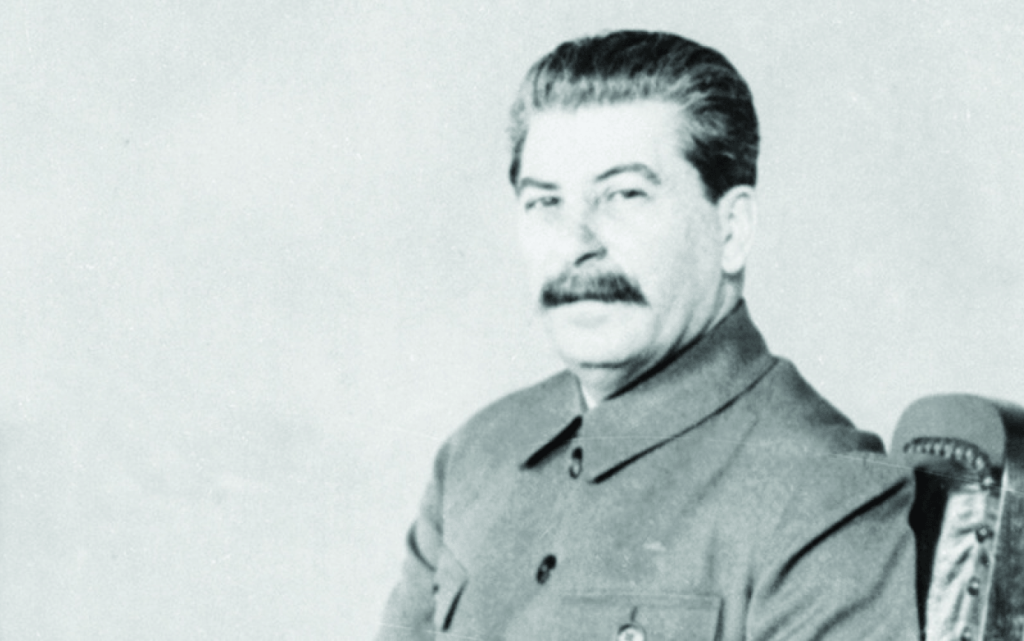
The practical implementation of the genocidal plans was carried out by the Chairman of the Council of Ministers of the USSR, Vyacheslav Molotov, and the Secretary of the Central Committee of the All-Union Communist Party(b), and the leaders of the party and state apparatus of the Ukrainian SSR: Pavlo Postyshev, Stanislav Kosior, Vlas Chubar and Mendel Khataevich.
The next genocidal measure was the introduction of fines in kind — the state’s right to seize from the peasants not only grain, but also other foodstuffs and property that could be sold or exchanged for food.
Individual villages that failed to meet their grain procurement quotas or resisted the policies of the USSR were placed on the so-called ‘blacklists’. This meant the imposition of a special punitive regime, under which such villages or even entire districts were surrounded by troops or special detachments, and all food supplies were completely confiscated from their inhabitants.
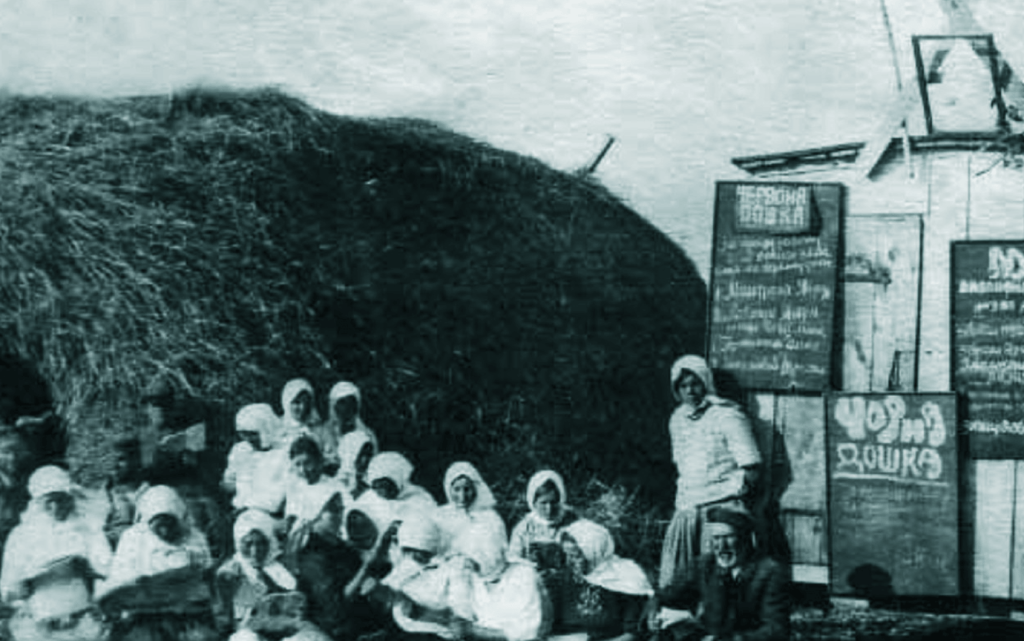
In villages placed on the ‘blacklist’, trade was banned and all goods were removed from the shops. Residents of settlements on the ‘blacklist’ were forbidden from leaving the blockaded area.
The ‘black boards’ policy was implemented only in areas inhabited by Ukrainians — in the Ukrainian SSR and in the Kuban. In other parts of the USSR, no such repressive measure existed, which clearly demonstrates the anti-Ukrainian nature of the Holodomor
Having deliberately created a situation in which Ukrainians began dying en masse from starvation, the Soviet authorities took measures to prevent them from travelling to those regions of the USSR where there was no famine. In particular, on 27 December 1932, a resolution was adopted by the Central Electoral Commission and the Council of People’s Commissars of the USSR ‘On the establishment of a unified passport system throughout the USSR and the compulsory registration of passports’.
Under the new rules, people were only allowed to live in a specific area and find employment there. Peasants were not issued with passports, so they were, in effect, deprived of the right to move freely around the country.
The Communists stationed armed checkpoints along the administrative borders of the Ukrainian SSR to prevent people from leaving Ukraine. Furthermore, Ukrainian peasants who did not have passports were not sold tickets for rail or water transport.
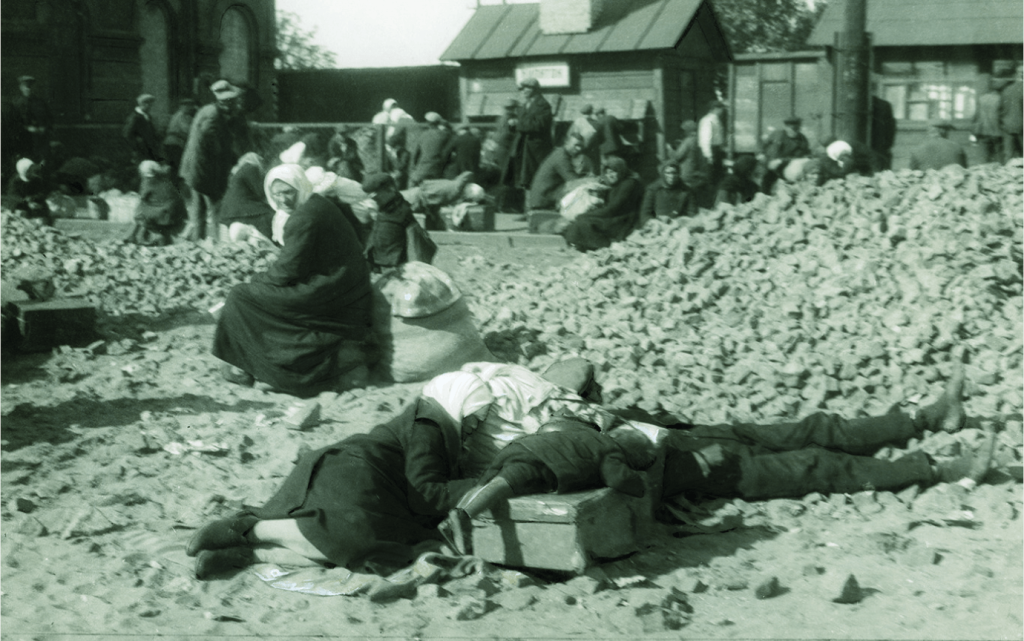
The regime cracked down particularly harshly on those who attempted to flee beyond the borders of the USSR — to Poland and Romania. The Ukrainian press in those countries at the time was full of reports of the executions of Ukrainians who had attempted to cross the Dniester and Zbruch rivers.
The death toll from starvation in Ukraine in 1932–1933 was so high that in many settlements no records of the dead were kept at all. Subsequently, the Communist regime sought to conceal the number of Ukrainians who had perished, and therefore falsified demographic data and classified archival documents.
It is known that at least 4 million Ukrainians died of starvation. However, this is not the final figure
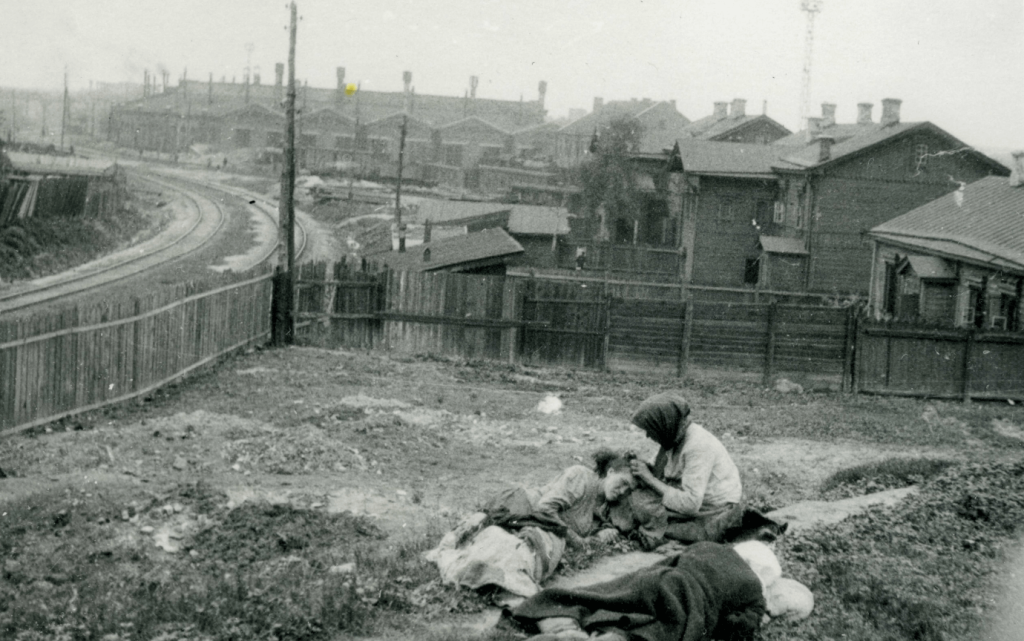
інж. А. Вінербергер. Фотодокументи надані проф. Василем Марочком (Інститут історії України НАН України). –
ЦДКФФА України імені Г. С. Пшеничного. Од. зб. 5136.
Today, historians and demographers continue to investigate this issue. However, it should be emphasised that the scale of demographic losses is not a determining factor in establishing the crime of genocide. It is our duty to compile the most accurate possible lists of the victims of the Holodomor by name. Manipulation of the figures regarding the number of Holodomor victims is unacceptable.
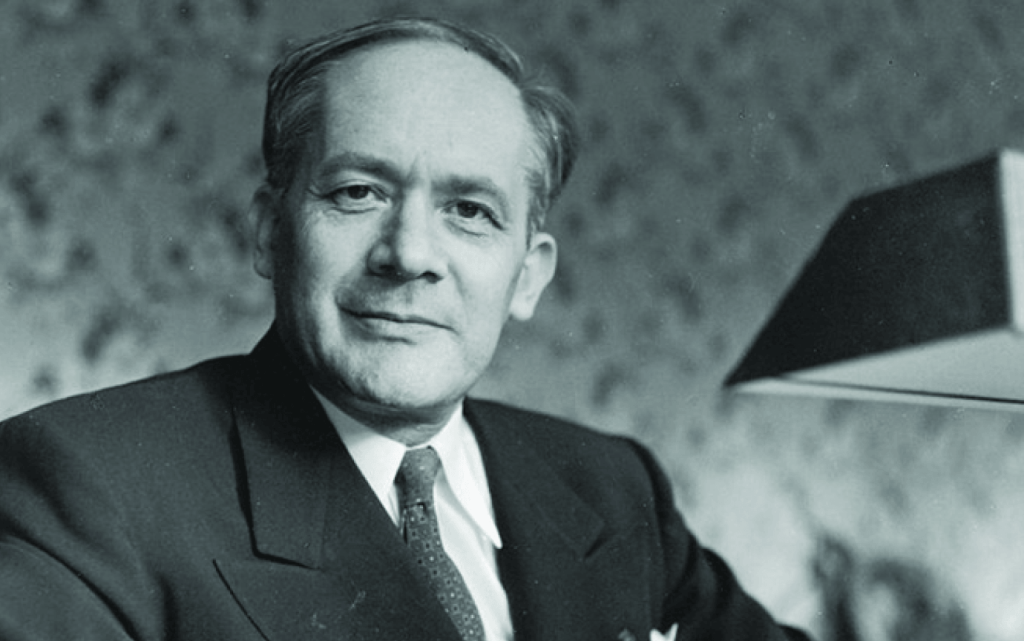
Rafał Lemkin, an American lawyer of Polish-Jewish origin, described the crimes committed by the communist regime against Ukrainians as a classic example of Soviet genocide. It was this scholar who, in 1944, brought the term ‘genocide’ into widespread use, and who later contributed to the adoption by the UN of the Convention on the Prevention and Punishment of the Crime of Genocide.
Among the materials from Rafal Lemkin’s unpublished *History of Genocides* is an essay entitled ‘The Soviet Genocide in Ukraine’, in which the lawyer explained in detail the genocidal nature of the Stalinist regime’s actions against Ukrainians. The lawyer identified four components of the plan to destroy the Ukrainian nation: the elimination of the intelligentsia (the ‘brain’ of the nation), the destruction of the Church (the ‘soul’ of the nation), the starvation of Ukrainian peasants (the main bearers of the national spirit and traditions), and the forced alteration of the ethnic composition of Ukrainian lands.
- Ukraine has a long history; our country is over a thousand years old.
- But Ukraine emerged as an independent state around a hundred years ago.
- The nation of Ukraine has experienced much joy and sorrow – in short, a rich history.
- The Holodomor is a distinct period in the history of Ukraine.
- The Holodomor was a difficult time when people had nothing to eat.
- The authorities were confiscating people’s food.
- People went without food and starved to death.
- Many people died.
- Many dead people were buried in a single grave in the cemetery.
- The Holodomor is also referred to as genocide.
- Genocide is when the authorities killed large numbers of people or entire nations.
- The Holodomor wiped out Ukrainians.
- The Holodomor—the genocide of Ukrainians—took place in 1932 and 1933.
- The Holodomor was deliberately orchestrated by the leadership of the Soviet Union.
- In those days, Ukraine was part of a large country.
- This vast country was called the Union of Soviet Socialist Republics, or the USSR for short.
- This vast country was also known as the Soviet Union.
- The Soviet Union was ruled by communists.
- At that time, Joseph Vissarionovich Stalin was the leader of the Soviet Union.
- Joseph Stalin caused the Holodomor in Ukraine.
- The Holodomor was orchestrated to prevent Ukraine from becoming independent and breaking away from the Soviet Union.
- In 2006, the Ukrainian state recognised that the Holodomor constituted the extermination of the Ukrainian people, also referred to as genocide.
- In 2010, a special court in Kyiv, known as the Court of Appeal, recognised the Holodomor as genocide against the Ukrainian nation.
- Joseph Stalin did not single-handedly cause the Holodomor.
- Other leaders of the Soviet Union were also involved in the Holodomor, the most prominent of whom were Vyacheslav Molotov, Lazar Kaganovich and others.
- The Holodomor was carried out in every corner of Ukraine under the leadership of the Communists.
- In 1932 and 1933, a great many people died of starvation.
- 10.5 million people were starved to death in Ukraine, which was then known as the Ukrainian Soviet Socialist Republic.
- That was the name given to Ukraine when it was part of the Soviet Union.
- Many Ukrainians were killed by starvation in other parts of the Soviet Union.
- At that time, Ukrainians also lived in other parts of the Soviet Union.
- For example, Ukrainians lived at that time in Kazakhstan, the Caucasus, the Kuban and other parts of the Soviet Union.
- They, too, were dying of starvation.
- In ancient times, the Ukrainians were a distinct people.
- The Ukrainians had their own language, their own faith, traditions and customs.
- But the Ukrainians did not have their own separate state.
- Ukrainians were citizens of other countries, not Ukraine.
- In 1667, the lands of Ukraine were divided between two great powers: the Polish-Lithuanian Commonwealth and the Tsardom of Moscow.
- After that, for more than 200 years, Ukraine did not have its own state.
- Ukrainians living in what is now Ukraine constantly faced a lack of respect for their faith, language and customs.
- Ukrainians were forbidden to speak Ukrainian and to publish books in their native language.
- Ukrainian traditions and customs were banned.
- Ukrainians were imprisoned and shot.
- The River Dnieper flows through the heart of Ukraine.
- Some Ukrainians live on the right bank of the Dnieper, whilst others live on the left bank of the Dnieper.
- In ancient times, Ukraine was divided into Right-Bank Ukraine and Left-Bank Ukraine.
- On opposite banks of the River Dnieper.
- The Left Bank of Ukraine was under Russian rule.
- The Russian authorities forced Ukrainians to speak Russian.
- The Russian authorities claimed that Ukrainians were Russians too.
- The Russian authorities referred to Ukraine as ‘Little Russia’.
- Ukrainians have realised that they are not Russians.
- The Ukrainians wanted their own state and fought for it.
- In 1918, the Ukrainians succeeded in establishing their own state.
- This state was called the Ukrainian People’s Republic.
- However, the Ukrainian People’s Republic lasted just over three years.
- The Russian authorities were opposed to the existence of the Ukrainian People’s Republic.
- The Russian authorities wanted to see Ukrainian territories as part of their state.
- On 30 December 1922, the Communists established a vast country known as the Union of Soviet Socialist Republics, or the USSR for short.
- This vast country was also known as the Soviet Union.
- Ukraine became part of the Soviet Union.
- Ukraine came to be known as the Ukrainian Soviet Socialist Republic, or the USSR for short.
- The authorities of the Soviet Union claimed that all the countries within it had equal rights.
- That was not true; Ukraine did not have equal rights with Russia.
- Ukraine was governed by the Soviet authorities in Russia.
- Ukraine was the successor to Kievan Rus’.
- Kievan Rus’ existed a very long time ago, a thousand years ago.
- The capital of Kievan Rus’ was the city of Kyiv.
- Kyivan Rus’ existed even before the formation of the Soviet Union.
- Ukrainians knew that they were descendants of Kievan Rus’.
- Ukrainians wanted to be respected within the Soviet Union.
- Many people in the Ukrainian Soviet Socialist Republic considered themselves to be Ukrainians.
- They did not want to be citizens of the Soviet Union.
- Many Ukrainians wanted to live in an independent Ukraine.
- At that time, the Soviet Union was led by Vladimir Ilyich Lenin.
- Vladimir Lenin was aware of the Ukrainians’ desire for independence.
- The Soviet Union was opposed to Ukrainian independence.
- Free Ukrainians posed a threat to the Soviet Union.
- Because Ukrainians dreamt of an independent state called Ukraine.
- The authorities of the Soviet Union fought against Ukrainians who wanted Ukraine to become an independent state.
- The Communists came to power in the Soviet Union.
- The Communist authorities of the Soviet Union forced Ukrainians to live according to new customs and rituals.
- The authorities forced Ukrainians to renounce their history and traditions.
- In 1928, the authorities of the Soviet Union began establishing collective farms.
- The authorities told the villagers that collectivisation had to take place.
- Until 1928, Ukrainian peasants owned their own plots of land and grew crops on them.
- For example, the peasants grew rye, wheat and oats.
- The villagers also mowed the grass and had hay for their cow, goat and horse.
- Ukrainian farmers also grew plants to feed piglets, chickens and geese.
- The villagers harvested their crops and fed their families.
- If the harvest was bountiful, the peasants would sell their grain, milk and eggs and have money for their families.
- Collectivisation changed the lives of every Ukrainian family in the countryside.
- Collectivisation is when peasants were forced to hand over their plots of land to the collective farm.
- The family was left without land and without a harvest.
- Every adult was required to go to work at the collective farm every day and work the collective farm’s land.
- And nobody paid any wages.
- At the end of the year, they were given a share of the harvest in return for their work.
- No one told the farmer how much he would be paid for his work.
- The collective farms belonged to the state.
- The Ukrainians had their land taken away from them and handed over to the collective farms.
- The authorities of the Soviet Union forced people to work in exchange for food.
- The authorities provided grain or vegetables to everyone who worked on a state-run farm.
- They were given very little food; there wasn’t enough to feed the family.
- Many Ukrainians were opposed to handing over their vegetable gardens to the Soviet authorities.
- The Communists forced Ukrainians to hand over their land and work on collective farms.
- Dissident Ukrainian peasants were intimidated, abused and killed.
- They were labelled kulaks, bourgeois nationalists and counter-revolutionaries.
- Dissident Ukrainian peasants were also forced to resettle far away from Ukraine.
- Everything was taken from them – their house, their plot of land, their livestock and their tools.
- Many Ukrainians were unhappy with such actions by the Communist authorities of the Soviet Union.
- The Ukrainians began to resist collectivisation.
- In the early 1930s, there were a great many uprisings or riots in Ukrainian villages.
- Ukrainians did not like being robbed in their own country.
- Peasants living in the Ukrainian Soviet Socialist Republic regarded themselves as Ukrainians.
- Ukrainian peasants did not want to submit to Communist rule.
- This posed a threat to the Soviet Union’s authorities.
- There were many Ukrainian peasants who wanted to live without collective farms.
- In order to suppress the Ukrainian peasantry, the Soviet authorities organised the Holodomor.
- The Holodomor was when food was taken away from Ukrainian peasants and they died of starvation.
- The Soviet authorities wanted to kill Ukrainian peasants.
- The Communist authorities said that Ukrainian peasants had to do as they were told.
- Joseph Vissarionovich Stalin was, at that time, the leader of the Soviet Union.
- The authorities of the Soviet Union devised a way to punish Ukrainian peasants.
- The authorities of the Soviet Union drew up a special plan to drive out the Ukrainian peasants.
- The authorities of the Soviet Union decided to confiscate the peasants’ grain.
- All the grain and other food were taken from the Ukrainian peasants.
- The peasants were unable to make flour from the grain and bake bread.
- If the peasants refused to hand over their grain to the authorities, their houses and livestock were confiscated.
- A famine has broken out in Ukraine.
- The authorities have banned Ukrainian villagers from travelling to the cities.
- She banned travel to Russia and Belarus.
- It wasn’t possible to travel abroad.
- Ukrainian villagers were not allowed to leave their villages.
- A great many people have been left without food.
- More than 22 million people lived in the area affected by the Holodomor.
- Joseph Stalin knew that Ukrainian peasants wanted to live freely.
- Many Ukrainian peasants refused to obey the Soviet authorities.
- Joseph Stalin wanted to kill Ukrainian peasants.
- In 1932, the Soviet authorities decided to confiscate a vast amount of grain from Ukrainian peasants.
- The authorities of the Soviet Union drew up a plan setting out how much bread would be requisitioned from each person in Ukraine.
- Vyacheslav Molotov and Lazar Kaganovich travelled from Moscow to Ukraine to approve this plan.
- Vyacheslav Molotov and Lazar Kaganovich were well aware that a famine had begun in Ukraine.
- The Soviet authorities did not provide food aid to the peasants.
- The authorities of the Soviet Union decided to seize food from Ukrainian peasants by force.
- The Soviet authorities killed anyone who hoarded food or tried to flee Ukraine.
- Many documents detailing the crimes committed by the Soviet authorities have survived from that period.
- In the early 1930s, peasants in Ukraine were unwilling to work on collective farms.
- Ukrainian peasants began to reclaim their livestock, tools and land from the collective farms.
- The villagers took the livestock and grain that belonged to them.
- The Soviet authorities were unwilling to give livestock and grain to the peasants.
- On 7 August 1932, the authorities of the Soviet Union passed the ‘Five Ears of Corn’ law.
- This law stated that the Soviet authorities would seize everything a peasant owned.
- Under this law, the authorities of the Soviet Union confiscated the peasants’ livestock, tools and land.
- The authorities of the Soviet Union passed a law under which they punished peasants who wanted to reclaim their livestock, tools and land.
- If starving peasants gathered the remains of the harvest from the fields, they were sent to prison for 10 years and had all their livestock, tools and land confiscated, or were even shot.
- The authorities of the Soviet Union assembled a special team of people who went from house to house among the peasants and confiscated their grain.
- When such people went from house to house, they beat and humiliated the villagers.
- The authorities of the Soviet Union wanted to exterminate the Ukrainian peasantry.
- The authorities decided to confiscate all the food, and anything else that could be exchanged for food.
- The Soviet authorities did this only in Ukraine.
- On 18 November 1932, under the leadership of Vyacheslav Molotov, the Communist Party adopted a resolution on the ‘Black Boards’.
- Farmers in some villages refused to hand over their produce to the Soviet authorities.
- At that time, the entire village was listed on the Blacklist.
- Sometimes a collective farm, a village or an entire district would be written on the Blackboard.
- All the villagers living there had their food confiscated and were forbidden to sell their produce.
- The villagers were also forbidden from leaving their village.
- The village was surrounded by the army and the police, and no one was allowed to leave.
- In 1932 and 1933, 180 districts of Ukraine were recorded on the ‘Black Boards’.
- One in four Ukrainians was doomed to starve to death.
- This was the case only in Ukraine and in the Kuban, where Ukrainian peasants lived.
- The authorities of the Soviet Union did not allow Ukrainian peasants to feed themselves.
- Ukrainian peasants were dying of starvation.
- On 22 January 1933, the authorities of the Soviet Union adopted a new resolution.
- The authorities have ordered that starving Ukrainians from Ukraine and Kuban should not be allowed to leave the country to buy bread.
- This decision was taken by Joseph Stalin and Vyacheslav Molotov.
- In other countries of the Soviet Union, people were able to travel to buy bread.
- In Ukraine, it was forbidden to go out to buy bread.
- Stalin and the entire Soviet leadership claimed that there was no famine in Ukraine.
- Many people from Ukraine who were living in other countries wanted to help the starving peasants.
- The Soviet authorities refused aid from other countries and claimed that there was no famine.
- In the spring of 1933, a great many people were dying of starvation in Ukraine.
- The highest number of people died of starvation in June 1933.
- Every day, 28,000 people died.
- Every hour, 1,168 people died.
- Twenty people were dying every minute.
- The Soviet authorities in Moscow decided to provide Ukraine with seeds for sowing in the fields and food.
- However, food was distributed only to those peasants who were still able to work on the collective farms.
- The authorities of the Soviet Union had plenty of grain and sold it abroad.
- The Soviet authorities wanted to kill some Ukrainians and had therefore previously withheld grain from Ukraine.
- No one knows for certain how many Ukrainians died during that period.
- 10.5 million Ukrainians fell victim to the Holodomor.
- A further 3 million people died in the Kuban, the Central Black Earth Region, the Volga region and Kazakhstan.
- It is very difficult to calculate exactly how many people died of starvation.
- The authorities of the Soviet Union concealed information about the Holodomor, and a great many documents were destroyed.
- The authorities have banned reporting the true death toll.
- Historians are uncovering secret lists kept by village councils.
- In the lists, people recorded how many people had died of starvation in 1932 and 1933.
- These lists show that more people died than are recorded in the lists compiled by the Soviet authorities.
- The authorities have banned any mention that starvation was the cause of death.
- It was often reported that a person had died of old age, illness or severe exhaustion.
- In 1934, the Soviet authorities confiscated all documents bearing the names of the deceased.
- In those days, entire Ukrainian families were dying, and this was often not recorded in official documents.
- A great many deaths are not recorded in the official records.
- The authorities of the Soviet Union told other countries that the Holodomor did not exist.
- The authorities gave money to journalists from other countries so that they would write false reports.
- But many journalists wrote the truth about the Holodomor.
- The communist totalitarian regime covered up the murder of 10.5 million Ukrainians.
- In the Soviet Union, it was forbidden to talk about the Holodomor.
- It is now possible to talk about the Holodomor in Ukraine.
- Ukraine is now independent, and the Soviet Union no longer exists.